I once bought a knife off the street.
Not in an alley. Not late at night. Broad daylight. High street. Card machine and all.
I was on my way to buy a bag of Paprika Lorenz X-Cut Crunchips from the Nisa Local when a man called out to me. Before I knew it, he was slicing a tomato so thin you could see the atoms. Then a pineapple. A shoe. A hammer.
I stood there, transfixed. “These are better than my knives at home,” I thought. “I do wish I was capable of cutting tomatoes so thin they qualify as 2D objects.”
Fifteen minutes later, I was six knives heavier, and the full contents of my wallet lighter.
This wasn’t just impulse. It was openness.
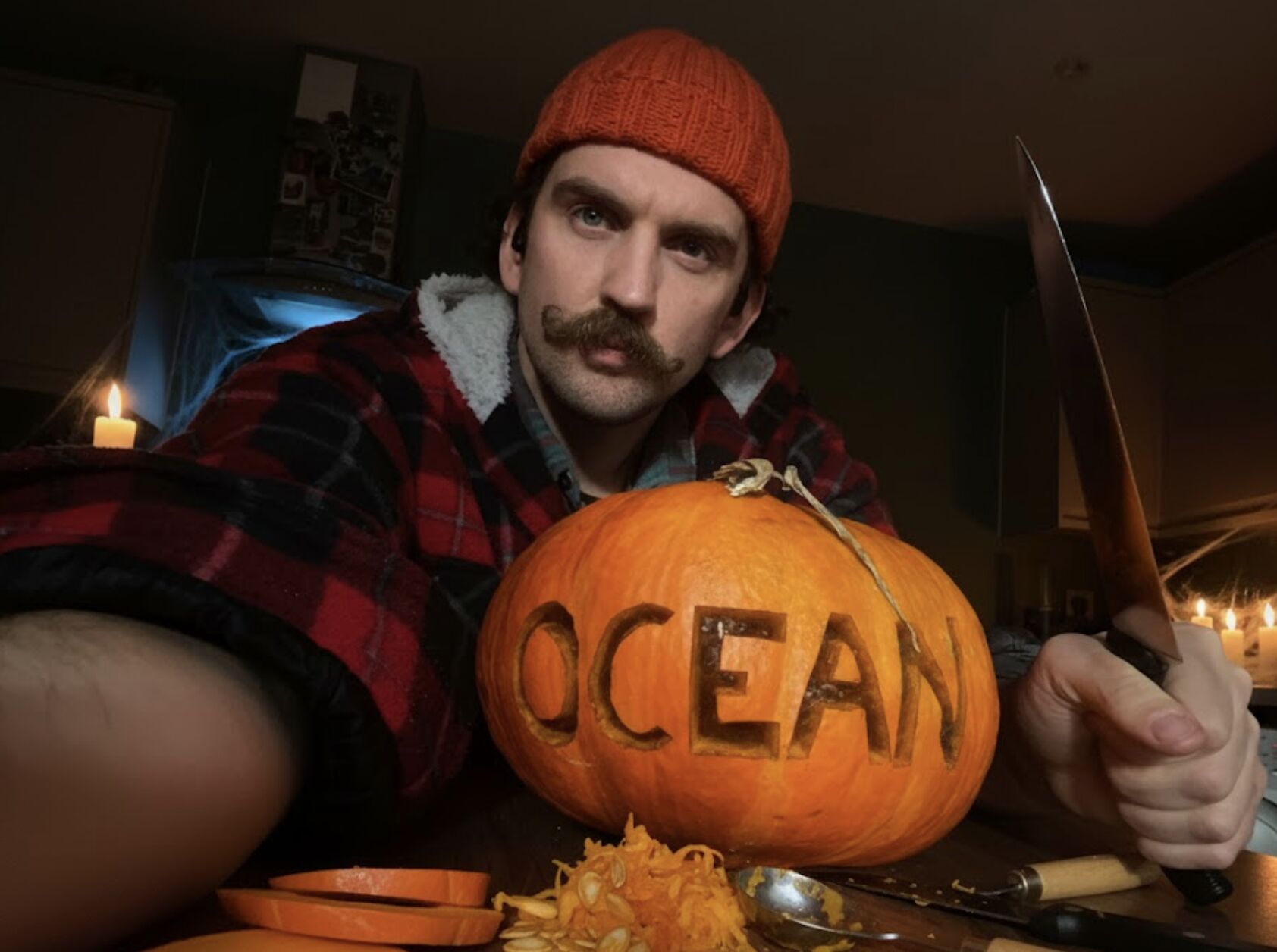
When I was writing my Master’s thesis, I came across the OCEAN model of personality: Openness, Conscientiousness, Extraversion, Agreeableness, Neuroticism.
Marketers tend to score high on openness. We love new ideas. We’re drawn to novelty, creativity, the promise of something better.
But most people aren’t like that.
- They don’t swap detergent because a brand promised “active enzymes.”
- They don’t ditch their bank because the new one has better UX.
- They don’t change toothpaste because someone on TikTok said fluoride-free is the future.
They just want things that work, and mostly only change when the thing that works for them stops working, or when it’s patently obvious that what everyone else is doing is better. (Which is why it’s easier to keep a customer than gain one, but that’s a story for another time.)
While they do buy Walkers from the Londis, the mass market don’t stop to watch a man demonstrate a cutting board and walk away with a new kitchen set.
The danger for marketers is forgetting that we’re the outliers. Especially as all of our peers are also outliers. We chase change. Most people avoid it.
The knives are blunt now, but perhaps the real X-Cuts were the potatoes we cut along the way.